
We've been providing LPG gas system installation and gas pipeline connection services across Abu Dhabi and Al Ain and the wider UAE since 2007, and no two jobs are ever quite the same — a small café's gas connection for restaurant cylinder setup looks nothing like the bulk storage network we'd run for a hotel kitchen. What stays consistent is how we approach it: assess the actual gas load first, size the system to that, and don't hand it over until it's pressure-tested and commissioned properly.
Every LPG system installation starts on paper before it starts on site. We work out how much gas the building actually needs at peak demand, then decide whether that's a cylinder manifold, a LPG gas tank installation, or something in between. From there, the LPG gas pipe line connection and gas pipeline installation work gets routed and sized to hold correct pressure all the way to the last connection point, not just the first few meters off the source.
We handle the paperwork too — technical drawings, load calculations, and the DOE and civil defence submissions that come with any gas system installation in the UAE. Once installed, every line gets pressure-tested and leak-checked before we sign off, and we hand over documentation you can actually use for compliance audits or future servicing — whether you found us searching for gas installation near me or a full LPG installations contractor for a new build.
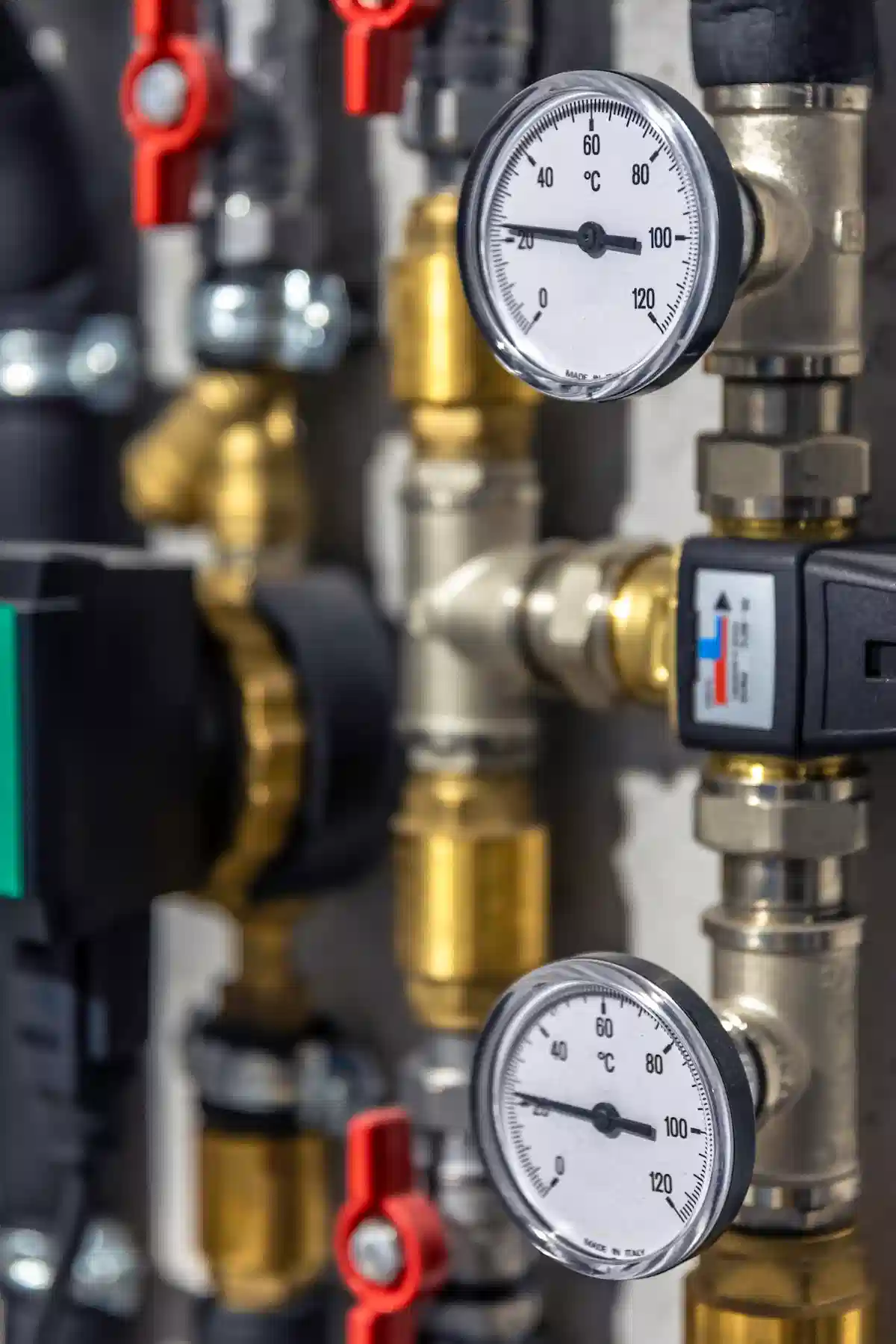
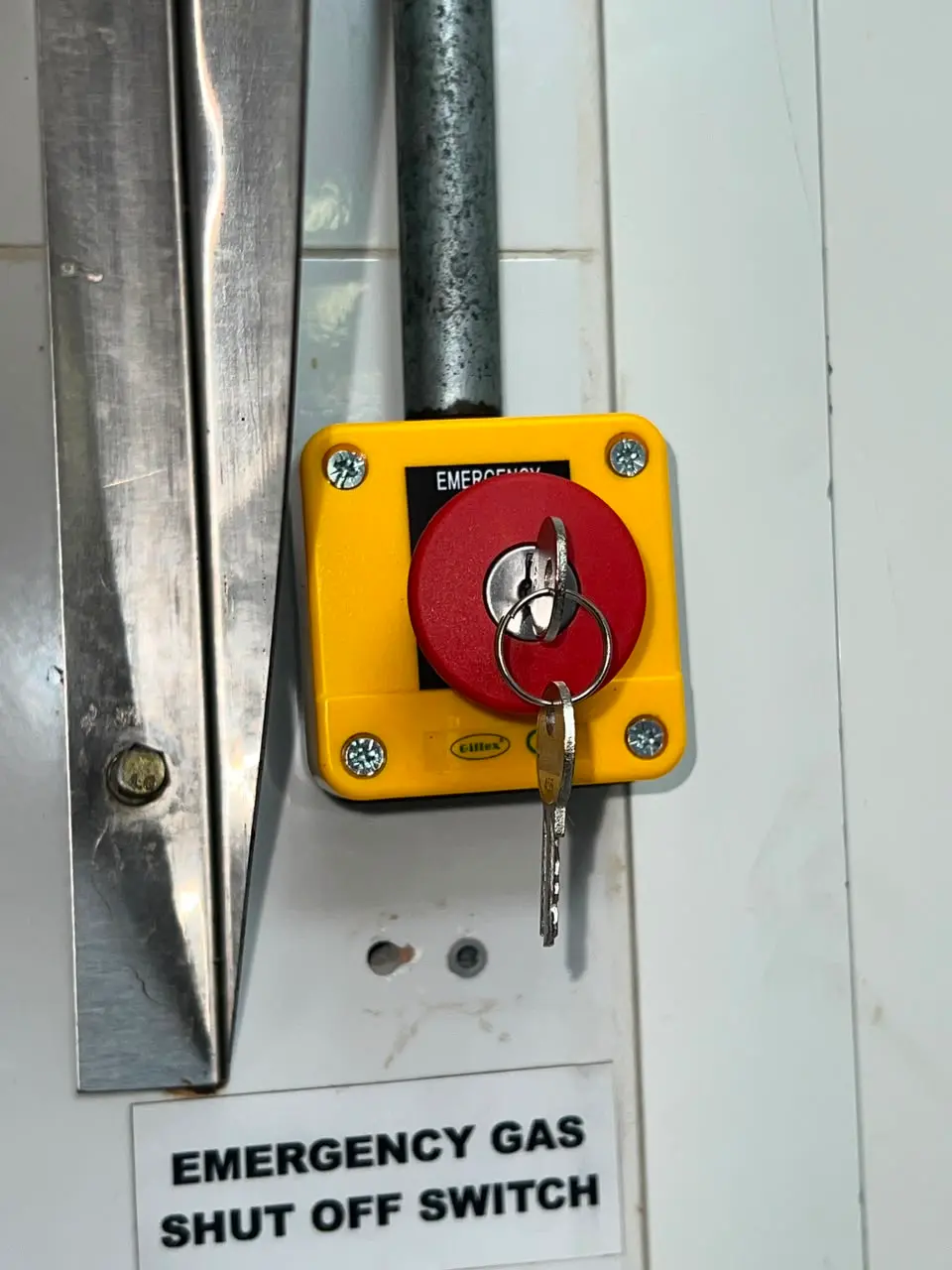
Installation is where a good design either holds up or falls apart, so we don't cut corners here. Our LPG installation company technicians install to the exact specification we drew up during the assessment stage — correct pipe diameter, correct routing, correct pressure regulation at every stage of the LPG gas pipeline installation, from the source right through to the last appliance connection.Every fitting, valve, and joint goes in to the standard the design calls for, not what's quickest to run through a wall. Whether it's a domestic LPG pipeline installation or a commercial LPG pipe installation, where the piping passes through different zones of a building, we account for that in the install — proper support, correct clearances, and shut-off points placed where they'll actually be usable in an emergency, not just where they're convenient to fit.Once installation is complete, we don't call it finished — we pressure-test the full run, check every joint for leaks, and only commission the system once it's holding steady under test conditions. That's the point where you get a working LPG tank installation or LPG cylinder installation, not just pipework that looks right on paper.
Firestone is a Category A civil defence-approved contractor, licensed to design and install LPG systems across Abu Dhabi, Dubai, Sharjah, and Al Ain. If you're looking for a gas installation company near me that can handle both the technical side and the regulatory side, that approval status is what separates a proper installer from someone who'll just run a gas pipeline connection and leave the paperwork to you. Our designs, load calculations, and pipe sizing are reviewed against the UAE's fire and life safety code before a system is ever signed off, whether the authority involved is ADCD, DCD, SCD, or Al Ain's civil defence directorate.We've worked across the full range LPG installations take in the UAE — from a kitchen LPG gas pipeline installation for a single restaurant through to bulk LPG storage tanks for hotels and industrial kitchens, and LPG gas pipeline installation near me requests for underground tank systems where space or safety setbacks require it. Each has different regulatory clearances, tank-to-building distance rules, and ventilation requirements — getting these wrong is one of the most common reasons LPG installations fail inspection, which is why we treat LPG gas piping system design and installation as one connected process rather than design handed off to a separate installation crew.Since 2007, our scope has extended beyond installation into the ongoing compliance side of gas safety — Istifa certification support, fire and gas system integration, and coordination with the same civil defence authorities that approved the original installation. Whether you're planning a new commercial gas connection or need someone to make sense of an existing system before a compliance audit, that continuity is what most people are actually looking for when they search for a gas installation company rather than just a one-off installer.
.webp)
.webp)
From first site visit to sign-off, every LPG installation we deliver follows the same five-stage process — refined across projects ranging from single-cylinder café setups to bulk storage systems for hotels and industrial kitchens.
Site assessment — we calculate the property's actual peak gas load before drawing anything up, so the system is sized to real demand, not a generic template.
Approvals— echnical drawings, load calculations, and full coordination with ADCD, DCD, SCD, or Al Ain's civil defence directorate and the DOE, handled by us so it's not sitting on your desk.
Installation — components rated for the exact pressure and load we calculated, fitted by our own certified technicians rather than subcontracted labour.
Testing — every system is pressure-tested and leak-checked across the full run before we sign off; ongoing testing continues on a scheduled basis once your Gas Systems AMC is live.
Ongoing support — scheduled maintenance visits, emergency call-out access, and compliance documentation kept current for civil defence and DOE audits, all covered under your Gas Systems AMC.
We design and install LPG systems across residential, hospitality, industrial, and commercial sectors in the UAE — each with its own demand profile, so a factory's system and a villa's system are never built the same way.
Residential — villas and apartment towers, typically cylinder or small manifold setups sized for household cooking and hot water demand.
Hospitality — hotels and restaurant kitchens, where peak-hour demand is far higher and more variable than residential, often requiring bulk storage or multi-cylinder banks.
Industrial & commercial — factories and processing facilities with continuous or high-volume gas load, usually served by bulk LPG storage with dedicated pressure regulation.
Construction sites — temporary LPG supply for site kitchens and welfare facilities, scaled to project duration rather than permanent infrastructure.
Not every LPG system is built the same way — the right setup depends on gas load, available space, and how the building is used. We design and install all three common configurations:
Cylinder installation — the standard setup for cafés, small restaurants, and villas. Cylinders are connected through a manifold that regulates pressure across multiple bottles, giving continuous supply without manual changeover.
Bulk tank installation — for hotels, industrial kitchens, and high-demand commercial sites where cylinder changeovers aren't practical. A single bulk LPG tank feeds the system directly, sized to the building's actual peak load.
Underground tank installation — used where surface space is limited or setback distances require it. The tank is installed below grade with the same pressure regulation and safety standards as an above-ground system, just with additional excavation and access considerations.
Whichever configuration fits your site, the process is the same: we calculate the actual gas demand first, then size and design around that — not the other way around.
We deliver certified Fire and security systems tailored to your facility’s needs.